Precision Begins at
the Microbiome
38T+
Microbial Cells
1,000+
Resident Species
100%
Patient-Centered
Board
Certified Standard
Mi·cro·bi·o·mics
/ ˌmīkrōbīˈōmiks / · noun
noun · precision scienceThe comprehensive study of the microbiome - the collective genomes, diversity, and functional activity of all microbial communities inhabiting the human body and their profound influence on immunity, metabolism, neurology, and disease.
Origin
From Greek mikros (small) + Latin bios (life) + Greek -ome (complete set). The term microbiome was introduced by Joshua Lederberg in 2001 to describe the totality of microorganisms sharing the human body recognizing them as an essential component of human biology rather than passive inhabitants.
The Microbiomics Department at the American Board of Precision Medicine trains clinicians to understand the human microbiome as an active and modifiable determinant of health equipping physicians to interpret microbial diversity data, identify dysbiotic signatures, and apply microbiome science to the prevention, diagnosis, and treatment of complex disease.
From 16S rRNA sequencing and shotgun metagenomics to functional pathway analysis and gut-immune axis profiling, this department bridges the frontier of microbial science and clinical medicine - teaching physicians how microbial communities influence drug metabolism, immune regulation, mental health, and the trajectory of chronic disease.
With trillions of microbial cells outnumbering human cells and encoding a genetic repertoire 150 times larger than the human genome, the microbiome is not a bystander - it is a co-author of human health, and at ABOPM, its mastery is treated as an indispensable pillar of precision care.
38T+
Microbial Cells
1,000+
Resident Species
∞
Clinical Possibilities
Where the Microbiome Meets
Clinical Purpose
The Microbiomics Department at ABOPM exists at the intersection of microbial ecology and patient care - training physicians to decode the microbiome, apply its insights, and transform outcomes across every clinical specialty.
Advancing research in metagenomic sequencing, microbiome composition and diversity analysis, host–microbe interaction, and microbial metabolite signaling deepening our understanding of how the human microbiome shapes immunity, metabolism, and disease susceptibility.
Bridging microbiome laboratory science and bedside medicine developing board-certified frameworks for dysbiosis assessment, microbiome-informed therapeutics, and precision interventions across gastroenterology, immunology, psychiatry, and oncology.
Building the next generation of microbiomics-fluent clinicians through rigorous board standards, interdisciplinary training, and collaboration across gastroenterology, infectious disease, immunology, and integrative medicine.
"The microbiome is not a bystander - it is a participant in every aspect of human health. The Microbiomics Department at ABOPM trains physicians to engage that participant, interpret its signals, and harness its potential for precision care."
American Board of Precision Medicine · Microbiomics DepartmentTranslating the Microbiome
Into Clinical Impact
The microbiome is the most populous and ecologically complex dimension of human biology - trillions of microorganisms that actively shape immunity, metabolism, and neurological function. Learning to read it is not optional for the future of medicine - it is foundational.
Microbiomics equips clinicians to move beyond host-centric medicine and into the microbial ecosystem that governs health from within - enabling earlier detection of dysbiosis, targeted restoration of microbial balance, and care that accounts for the full biological community living inside every patient.
By mastering microbiomics, clinicians gain the power to:
Why Microbiomics Fluency Is Non-Negotiable
The microbiome is active. The clinical tools are ready. The question is, are you?
Microbiome-guided care improves treatment response in IBD, metabolic disease, and oncology immunotherapy and opens new preventive pathways unavailable through host genetics alone.
Microbiome-based diagnostics and therapeutics are entering mainstream clinical pipelines across gastroenterology, oncology, and psychiatry - clinicians who can't interpret microbiome data will fall behind.
Board certification in microbiomics establishes you as a precision medicine leader in one of the fastest-growing fields in biomedicine where clinical expertise is urgently needed and rarely held.
Microbiomics connects every specialty: gastroenterology, psychiatry, immunology, oncology, and infectious disease giving you tools to address disease at the interface of host and microbe across all of medicine.
Active research areas driving microbiomic medicine forward:
The microbiomics revolution is not a future event - it is happening now. Metagenomic profiling, microbiome-based therapeutics, and host–microbe interaction mapping are actively reshaping how disease is prevented, treated, and monitored at the microbial ecosystem level.
The ABOPM Microbiomics Department positions clinicians at the center of this transformation equipping them with the scientific literacy, clinical frameworks, and board-certified credentials to lead microbiomic medicine in any specialty.
Meet Our Leadership
Director of Microbiomics
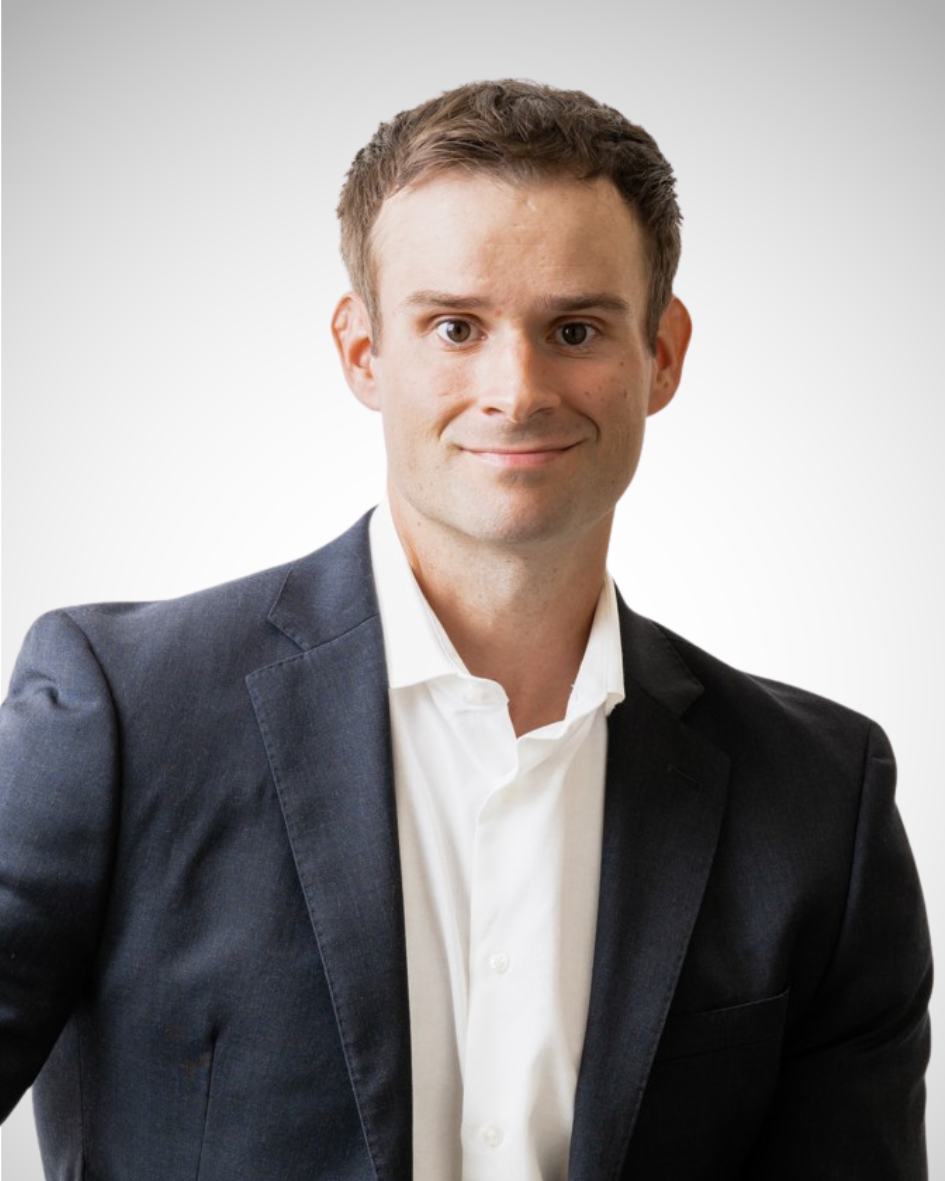
Alex Mohr, PhD
Dr. Mohr is Director of Microbiomics at Theriome, where he leads initiatives that integrate multi-omics and systems biology to advance precision medicine. As a co-founder of Theriome, he has helped pioneer research on the gut microbiome and its role in human health and disease.
His work uses bioinformatics and multi-omic analyses to clarify the relationships among microbiota, host metabolism, and health outcomes. He emphasizes microbiome-based interventions that can improve resilience and inform therapeutic strategies across a range of clinical conditions.
Dr. Mohr's research integrates metagenomic, metabolomic, and proteomic datasets to build a comprehensive understanding of host–microbe interactions translating systems-level findings into actionable precision medicine tools for clinicians and patients.
Faculty Members
Our faculty roster is growing - announcements coming soon.
Faculty position open
Faculty position open
Faculty position open
Faculty position open
Think you're the right fit for a faculty position?
Get Involved →
Shaping the Future
of Precision Medicine
As precision medicine continues to evolve, genomics will play an increasingly central role in redefining how disease is understood, predicted, and treated at the molecular level.
The Genomics Department at ABOPM remains committed to advancing this field through scientific leadership, clinical innovation, and collaborative discovery. Together with our global community of physicians and researchers, we are helping shape the future of next-generation healthcare.
Insights Shaping
Precision Medicine
Explore ABOPM perspectives on genomics, multi-omics, systems thinking, clinical innovation, and the future of physician leadership in precision medicine.
From Lab Report to Treatment Plan: Interpreting Molecular Diagnostics
Explore how clinicians interpret molecular diagnostic reports and translate genomic, transcriptomic, and proteomic findings into informed, personalized treatment decisions. ...more
Precision Medicine in Action
October 08, 2026•8 min read
Biomarkers That Matter: The Molecular Signals Guiding Oncology Treatment
Discover how molecular biomarkers such as HER2, KRAS, and PD-L1 are helping guide treatment selection, clinical trials, and personalized cancer care. ...more
Precision Oncology
October 01, 2026•8 min read
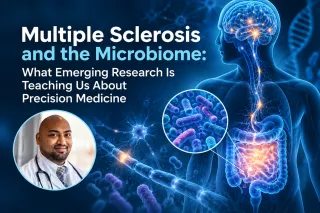
Multiple Sclerosis and the Microbiome: What Emerging Research Is Teaching Us About Precision Medicine
Emerging research is uncovering connections between multiple sclerosis, the gut microbiome, genetics, and immune function. Explore what these findings could mean for the future of precision medicine. ...more
Population Precision
September 24, 2026•11 min read
Stay at the Forefront of Precision Medicine
Subscribe to receive ABOPM insights, research updates, and educational resources delivered directly to your inbox.
Advancing education, certification, and leadership to shape a genomics-driven, data-intelligent future of healthcare.
COMPANY
RESOURCES


© 2023-2025 American Board of Precision Medicine, Inc. All Rights Reserved.