Medicine Through a
Systems Medicine Lens
Systems
Based Thinking
AI
Driven Insights
100%
Integrated Approach
Board
Certified Standard
The Systems
Medicine
Department
ABOPM's Systems Medicine Department brings together leading experts in computational biology, network science, and clinical data modeling to redefine how physicians understand disease at scale. From systems biology and network medicine to AI-driven clinical modeling and pathway analysis, our faculty translate complex multi-omic data into actionable frameworks for precision diagnosis and individualized treatment.
Rather than isolating single biomarkers or pathways, our department trains clinicians to think in networks — mapping the dynamic interplay between genes, proteins, metabolites, and environmental exposures across time. Each discipline is integrated into a unified systems framework, equipping physicians to interpret longitudinal and population-level data alongside individual molecular signatures.
Integrating genomic, proteomic, and metabolomic data into dynamic biological models — understanding disease as an emergent property of complex molecular networks rather than isolated pathways.
Mapping disease through protein-protein interaction networks, gene regulatory graphs, and multi-layer biological networks — revealing systemic vulnerabilities and novel therapeutic targets.

Machine learning, deep neural networks, and predictive clinical modeling — training physicians to leverage AI tools for diagnostic precision, risk stratification, and individualized treatment planning.

Decoding dysregulated signaling, metabolic, and immune pathways at the molecular level enabling root-cause diagnosis by tracing disease phenotypes back to upstream pathway disruptions.

Time-series biomarker tracking, cohort modeling, and population-level systems analysis — bridging individual patient trajectories with large-scale epidemiological patterns to inform precision interventions.
Where Whole-System Thinking Meets
Clinical Purpose
The Systems Medicine Department at ABOPM stands at the frontier of integrative clinical science — training physicians to apply systems-level frameworks to diagnosis, treatment, and prevention, bridging the complexity of human biology with the demands of real-world patient care across every specialty.
Advancing research at the intersection of physiology, molecular biology, and clinical science — developing systems-level models of disease onset, progression, and therapeutic response that no single reductionist lens can capture.
Bridging systems medicine science and bedside practice — developing board-certified frameworks for whole-patient disease modeling, dynamic treatment adaptation, and systems-informed care pathways across complex and chronic conditions.
Building the next generation of systems medicine clinicians through rigorous board standards, interdisciplinary training, and collaboration across physiology, pharmacology, computational modeling, endocrinology, and translational research.
"Medicine has long treated symptoms in isolation. The Systems Medicine Department at ABOPM trains physicians to see the whole — understanding how feedback loops, network dynamics, and emergent biology shape every patient's unique clinical reality."
American Board of Precision Medicine · Systems Medicine DepartmentTranslating Whole-System Thinking
Into Clinical Impact
The human body does not fail one pathway at a time. Disease emerges from the breakdown of integrated systems — dysregulated feedback loops, disrupted homeostatic circuits, and cascading network failures that no single specialty or biomarker can fully capture. Thinking in systems is not an advanced option for elite researchers — it is the clinical imperative of modern medicine.
Systems medicine equips clinicians to move beyond organ-siloed diagnosis and into whole-patient, whole-system understanding — modeling how physiological networks interact, how interventions ripple across biological circuits, and how to deliver care that addresses the true complexity driving each patient's disease.
By mastering systems medicine, clinicians gain the power to:
Why Systems Medicine Fluency Is Non-Negotiable
The complexity is real. The frameworks exist. The question is, are you equipped to apply them?
Systems medicine approaches consistently outperform single-target strategies in complex and chronic disease — delivering measurably better outcomes by treating the dysregulated system, not just the presenting symptom.
Digital health platforms, AI-driven clinical modeling, and whole-patient phenotyping are reshaping care delivery — physicians fluent in systems medicine will lead the next generation of precision clinical practice.
Board certification in systems medicine marks you as the physician who sees the whole picture — a rare integrative clinician capable of leading precision medicine programs, complex care teams, and institutional transformation.
Systems medicine is the universal language of complex care — applicable across oncology, endocrinology, immunology, cardiology, neurology, and every specialty where disease crosses organ boundaries and demands a whole-patient response.
Active research areas driving systems medicine forward:
The systems medicine transformation is not a future event — it is happening now. Whole-patient physiological modeling, digital twin development, and cross-specialty disease frameworks are actively reshaping how complex disease is understood, predicted, and treated across every clinical discipline.
The ABOPM Systems Medicine Department positions clinicians at the center of this transformation — equipping them with the integrative science literacy, computational frameworks, and board-certified credentials to lead whole-patient precision medicine in any specialty.
Meet Our Leadership
Director of Immunology
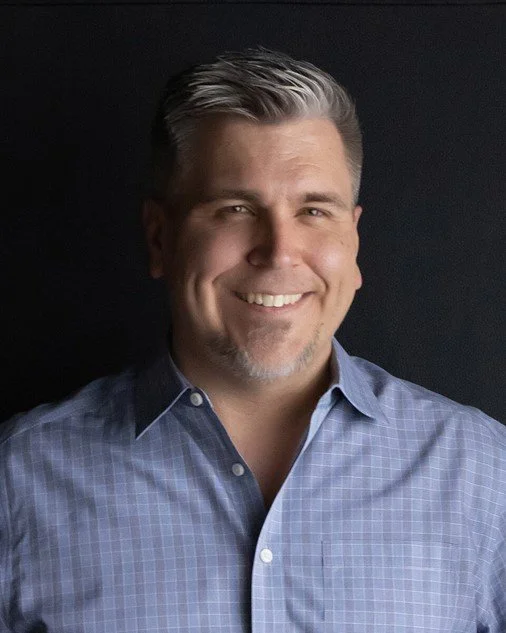
Derek Haaland, M.D., M.Sc., F.R.C.P.C.
Born in Sudbury, Ontario, Dr. Haaland earned his Bachelor of Science in Biomedical Sciences and Master of Science in Nutritional Sciences from the University of Guelph, before completing his Doctor of Medicine (MD) at Dalhousie University. He then completed his Internal Medicine residency at McMaster University, followed by a combined fellowship in Allergy & Immunology and Rheumatology, and later the prestigious Geoff Carr Lupus Fellowship.
His extensive subspecialty training has positioned him as a leader in the diagnosis and treatment of complex autoimmune and inflammatory conditions. Dr. Haaland currently serves as an Associate Clinical Professor at McMaster University and an Assistant Professor at the Northern Ontario School of Medicine in Sudbury, where he is actively involved in medical education and mentorship.
He recently relocated his practice from Barrie to Orillia, where he continues to provide expert precision care in allergy, immunology, and rheumatology. He resides in Shanty Bay with his wife and three sons.
Faculty Member · Research & Academic Affairs
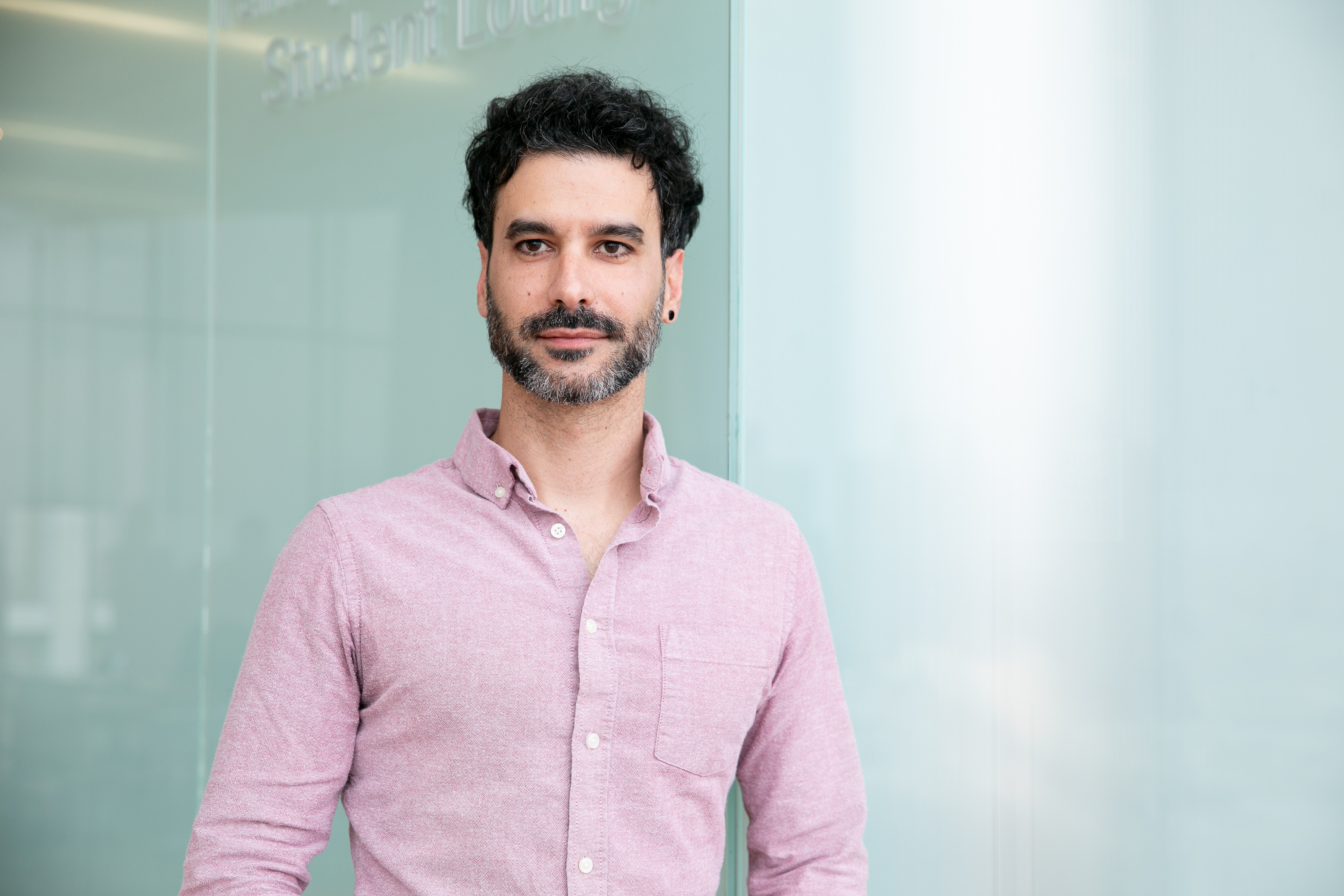
Paolo Reho, PhD
Dr. Reho earned his PhD in Genetics, Molecular and Cellular Biology from the University of Pavia and completed a Specialization in Medical Genetics at the University of Florence. He then joined the National Institute of Neurological Disorders and Stroke (NINDS), NIH as a postdoctoral fellow, investigating the genetic and epigenetic mechanisms underlying neurodegenerative diseases including Lewy body dementia and multiple system atrophy.
Now an Associate Research Scientist at Columbia University's Mailman School of Public Health, Dr. Reho applies integrative multi-omics — genomics, epigenomics, transcriptomics, metabolomics, and exposomics — to study molecular drivers of neurodegeneration. His recent work identified transcriptional modulations in neuron-derived extracellular vesicles associated with Alzheimer's disease, and as part of the IndiPHARM Project (PI: Dr. Gary W. Miller), he explores how genomics and exposomics shape individual drug responses. He is a recipient of the Columbia University ADRC Research Education Core Award and an active member of the International Consortium for Dementia with Lewy Bodies.
Faculty Members
Our faculty roster is growing — announcements coming soon.
Faculty position open
Faculty position open
Faculty position open
Faculty position open
Think you're the right fit for a faculty position?
Get Involved →Precision Oncology
Department
The ABOPM Precision Oncology Department trains physicians to integrate tumor genomics, liquid biopsy, immunoprofiling, and targeted therapeutics into individualized treatment strategies — moving beyond population averages to treat each cancer as the unique disease it is.
Visit Department PageCancer care is moving from one protocol for everyone to a therapy built around each tumor's biology.
Precision Oncology sits at the core of ABOPM's mission because cancer is the clearest proof case for precision medicine itself: every tumor carries a distinct genomic signature, and treating it as generic disease rather than individual biology costs patients time, response, and survival.
By establishing a board-certified standard for interpreting tumor genomics, monitoring treatment response, and matching patients to targeted and immune therapies, ABOPM gives physicians a credentialed framework the field currently lacks — and positions the organization at the forefront of where oncology is headed.
Sets the Clinical Standard
Establishes a rigorous, board-certified benchmark for genomic-driven cancer care where none currently exists.
Anchors a $560B Field
Prepares physicians for the fastest-growing segment of precision medicine, where genomic-guided treatment is now standard of care.
Strengthens ABOPM's Credibility
Demonstrates the depth of ABOPM's multidisciplinary faculty and reinforces its standing with partners, grantors, and academic collaborators.
Comprehensive Genomic Profiling
Somatic mutation analysis, copy number alterations, gene fusions, and mutational signatures across all tumor types.
Liquid Biopsy & ctDNA Monitoring
Real-time treatment response monitoring, minimal residual disease detection, and early resistance identification.
Immune Microenvironment Analysis
TMB, MSI status, PD-L1 expression, and TIL infiltration to identify immunotherapy responders.
Resistance Mechanism Mapping
Identifying acquired resistance pathways and adapting therapeutic strategy before clinical progression.
Identify actionable somatic mutations, copy number alterations, and gene fusions across every tumor site.
Guide institutional precision cancer programs and complex genomic treatment decisions.
Use ctDNA analysis to detect minimal residual disease and adapt therapy in real time.
Identify which patients respond to checkpoint inhibitors vs. combination or alternative immune strategies.
Every tumor has a molecular story.
Are you trained to read it?
Shaping the Future
of Precision Medicine
As precision medicine continues to evolve, genomics will play an increasingly central role in redefining how disease is understood, predicted, and treated at the molecular level.
The Genomics Department at ABOPM remains committed to advancing this field through scientific leadership, clinical innovation, and collaborative discovery. Together with our global community of physicians and researchers, we are helping shape the future of next-generation healthcare.
Insights Shaping
Precision Medicine
Explore ABOPM perspectives on genomics, multi-omics, systems thinking, clinical innovation, and the future of physician leadership in precision medicine.
Eight Advances in Precision Medicine: What Clinicians Need to Know
Explore eight advances in precision medicine, from rapid genomic sequencing and targeted cancer therapies to gene therapy, and discover what these breakthroughs mean for clinical practice. ...more
On the Frontier
October 22, 2026•10 min read
Digital Biomarkers and Wearable Health Data
Explore how digital biomarkers and wearable technologies are enabling continuous health monitoring, early disease detection, and more personalized approaches to precision medicine. ...more
On the Frontier
October 15, 2026•8 min read
From Lab Report to Treatment Plan: Interpreting Molecular Diagnostics
Explore how clinicians interpret molecular diagnostic reports and translate genomic, transcriptomic, and proteomic findings into informed, personalized treatment decisions. ...more
Precision Medicine in Action
October 08, 2026•8 min read
Stay at the Forefront of Precision Medicine
Subscribe to receive ABOPM insights, research updates, and educational resources delivered directly to your inbox.
Advancing education, certification, and leadership to shape a genomics-driven, data-intelligent future of healthcare.
COMPANY
RESOURCES


© 2023-2025 American Board of Precision Medicine, Inc. All Rights Reserved.