Cancer Care Through
Precision Oncology
Molecular
Tumor Intelligence
Multi
Omic Data
100%
Patient-Centered
Board
Certified Standard
Pre·ci·sion
On·col·o·gy
/ ˈpreSHən äNGˈkäləjē / · noun
noun · clinical oncologyThe application of molecular tumor profiling, liquid biopsy, and multi-omic intelligence to individualize cancer diagnosis, treatment selection, and therapeutic monitoring — moving beyond histology and staging to the genomic and immune drivers of each patient's malignancy.
Origin
From Latin praecisio (exactness) + Greek onkos (mass, tumor) + -logia (study of). Precision oncology crystallized as a clinical discipline following the landmark 2006 cancer genome sequencing studies and the clinical validation of targeted therapies — demonstrating that tumor biology, not organ of origin, should govern treatment decisions.
The Precision Oncology Department at the American Board of Precision Medicine trains clinicians to navigate cancer at the molecular level — integrating comprehensive genomic profiling, tumor mutational burden, microsatellite instability, liquid biopsy ctDNA analysis, and immune microenvironment characterization into a unified framework for individualized cancer care.
From actionable driver mutation identification and predictive biomarker-guided immunotherapy selection to clonal evolution tracking and resistance mechanism analysis, this department equips physicians with the oncogenomic fluency to match each patient's tumor to the most precisely targeted intervention — and to monitor treatment response at the molecular level in real time.
Cancer is not one disease — it is thousands of molecularly distinct diseases sharing a common phenotype of uncontrolled growth. At ABOPM, Precision Oncology provides the genomic and immune framework to treat each malignancy — and each patient — as the singular biological event it truly is.
500+
Actionable Mutations
ctDNA
Liquid Biopsy
Multi
Omic Tumor Profiling
Where Molecular Science Meets
Cancer Care
The Precision Oncology Department at ABOPM is dedicated to transforming cancer care through molecular insight — training physicians to integrate tumor genomics, liquid biopsy, immunoprofiling, and targeted therapeutics into individualized treatment strategies that move beyond population averages and treat each cancer as the unique disease it is.
Advancing clinical application of somatic mutation profiling, copy number analysis, gene fusion detection, and tumor mutational burden assessment — equipping oncologists to match each patient's cancer molecular signature to the most effective targeted or immunotherapy strategy.
Bridging oncology research and patient care — developing board-certified frameworks for biomarker-driven treatment selection, resistance mechanism interpretation, liquid biopsy monitoring, and adaptive precision therapy across solid tumors and hematologic malignancies.
Building the next generation of precision oncologists through rigorous board standards, interdisciplinary training, and collaboration across medical oncology, radiation oncology, surgical oncology, pathology, genomics, and translational cancer research.
"Every cancer is a molecular fingerprint. The Precision Oncology Department at ABOPM trains physicians to read that fingerprint — translating tumor genomics, immune profiling, and resistance biology into treatment decisions that are as individual as the patients who need them."
American Board of Precision Medicine · Precision Oncology DepartmentTranslating Tumor Genomics
Into Transformative Cancer Care
No two cancers are the same — even within the same histological type. Every tumor carries a unique molecular fingerprint of somatic mutations, copy number alterations, gene fusions, and immune interactions that determines how it will behave and how it will respond to treatment. Reading that fingerprint and acting on it is not the future of oncology — it is the present standard every cancer patient deserves.
Precision oncology equips clinicians to move beyond histology-based protocols and into molecularly individualized cancer care — integrating tumor genomic profiling, liquid biopsy, immunoprofiling, and resistance mechanism analysis to select, sequence, and adapt therapies with a level of precision that population-based guidelines cannot provide.
By mastering precision oncology, clinicians gain the power to:
Why Precision Oncology Certification Is Non-Negotiable
Every tumor has a molecular story. The question is, are you trained to read it?
Molecularly matched therapies consistently outperform empiric chemotherapy in response rates, progression-free survival, and quality of life — delivering measurably better outcomes for patients whose cancers are treated with genomic precision rather than population averages.
Comprehensive genomic profiling, ctDNA monitoring, and AI-driven treatment matching are becoming standard of care across solid tumors and hematologic malignancies — oncologists board-certified in precision oncology will lead this transformation.
Board certification in precision oncology marks you as the molecular tumor board leader and genomic oncology authority — a clinician capable of guiding the most complex treatment decisions and driving institutional precision cancer programs.
Precision oncology principles apply across every tumor type — solid tumors, hematologic malignancies, rare cancers, and pediatric oncology — giving you a universal molecular framework to deliver individualized cancer care regardless of histology or site of origin.
Active research areas driving precision oncology forward:
The precision oncology revolution is not a future event — it is rewriting cancer care today. Comprehensive genomic profiling, liquid biopsy monitoring, immune microenvironment characterization, and resistance mechanism mapping are actively transforming how every cancer is diagnosed, classified, and treated at the molecular level.
The ABOPM Precision Oncology Department positions clinicians at the center of this transformation — equipping them with the tumor genomics literacy, molecular diagnostic frameworks, and board-certified credentials to lead precision cancer care in any oncology setting.
Meet Our Leadership
Director of Precision Oncology

Emre Baser, MD
Dr. Emre Baser leads initiatives at the intersection of precision medicine, oncology, molecular pathology, and diagnostics. Trained in medicine at Cumhuriyet University (Türkiye) and Maastricht University (Netherlands), with clinical experience at Justus Liebig University (Germany), he brings both deep clinical expertise and a passionate research vision to his leadership role at ABOPM.
Dr. Baser has spearheaded pioneering research projects in collaboration with academic institutions, research foundations, and pharmaceutical companies, while simultaneously leading educational initiatives in precision oncology. His work bridges translational cancer science and frontline clinical application — advancing the frameworks that allow oncologists to act on molecular tumor data with precision and confidence.
Dedicated to both innovation and patient-centered education, Dr. Baser empowers patients and colleagues through knowledge-sharing and mentorship. Beyond medicine, he values time with family and is an avid reader who draws on diverse perspectives to enrich his clinical and scientific work.
Faculty Members
Our faculty roster is growing — announcements coming soon.
Faculty position open
Faculty position open
Faculty position open
Faculty position open
Think you're the right fit for a faculty position?
Get Involved →
Shaping the Future
of Precision Medicine
As precision medicine continues to evolve, genomics will play an increasingly central role in redefining how disease is understood, predicted, and treated at the molecular level.
The Genomics Department at ABOPM remains committed to advancing this field through scientific leadership, clinical innovation, and collaborative discovery. Together with our global community of physicians and researchers, we are helping shape the future of next-generation healthcare.
Insights Shaping
Precision Medicine
Explore ABOPM perspectives on genomics, multi-omics, systems thinking, clinical innovation, and the future of physician leadership in precision medicine.
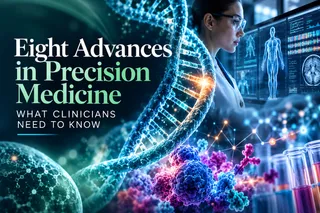
Eight Advances in Precision Medicine: What Clinicians Need to Know
Explore eight advances in precision medicine, from rapid genomic sequencing and targeted cancer therapies to gene therapy, and discover what these breakthroughs mean for clinical practice. ...more
On the Frontier
October 22, 2026•10 min read
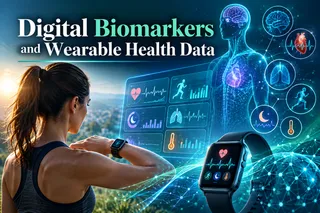
Digital Biomarkers and Wearable Health Data
Explore how digital biomarkers and wearable technologies are enabling continuous health monitoring, early disease detection, and more personalized approaches to precision medicine. ...more
On the Frontier
October 15, 2026•8 min read
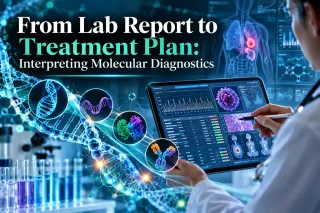
From Lab Report to Treatment Plan: Interpreting Molecular Diagnostics
Explore how clinicians interpret molecular diagnostic reports and translate genomic, transcriptomic, and proteomic findings into informed, personalized treatment decisions. ...more
Precision Medicine in Action
October 08, 2026•8 min read
Stay at the Forefront of Precision Medicine
Subscribe to receive ABOPM insights, research updates, and educational resources delivered directly to your inbox.
Advancing education, certification, and leadership to shape a genomics-driven, data-intelligent future of healthcare.
COMPANY
RESOURCES


© 2023-2025 American Board of Precision Medicine, Inc. All Rights Reserved.