Bridging Mind and Brain Through
Neuropsychiatry
Brain
Circuit Restored
Precision
Psychiatric Care
100%
Personalized Protocols
Evidence
Based Outcomes
Neu·ro·
psy·chi·
at·ry
/ ˌn(y)o͝orōsəˈkīətrē / · noun
noun · precision brain-mind medicineThe integration of neuroimaging, genomic, and neuroendocrine profiling with advanced psychiatric diagnostics - moving beyond symptom-cluster diagnoses to the molecular and circuit-level root causes driving mood disorders, cognitive dysfunction, and brain-based psychiatric illness in each individual patient.
Origin
From Greek neuron (nerve) + psyche (mind) + iatreia (healing). Precision neuropsychiatry emerged as functional neuroimaging, single-cell transcriptomics of cortical and limbic tissue, and polygenic risk scoring revealed that clinically similar presentations of depression, anxiety, and psychosis harbor molecularly and circuit-distinct etiologies - requiring individualized diagnostic and therapeutic strategies beyond conventional symptom-matched pharmacologic protocols.
The Neuropsychiatry Department at the American Board of Precision Medicine trains clinicians to look beyond standard DSM diagnoses and empiric medication trials - integrating functional neuroimaging, neuroendocrine axis assessment, neuroinflammatory biomarker profiling, and pharmacogenomic testing into a molecularly complete picture of each patient's brain biology and treatment response potential.
From mood disorder endotype stratification and HPA-axis dysregulation to mitochondrial neuronal dysfunction, epigenetic regulation of synaptic plasticity, and precision optimization of psychopharmacologic and neuromodulation protocols, this department equips physicians with the molecular and circuit-level fluency to identify the upstream biological drivers of psychiatric illness - and to design individualized interventions that address root causes rather than masking symptoms.
Mental health is not simply a function of life experience and neurotransmitter balance - it is the downstream expression of a patient's entire neural, genomic, and neuroendocrine architecture. At ABOPM, Neuropsychiatry provides the precision framework to decode that architecture for every patient, transforming fragmented lab values and symptom scores into a coherent, actionable map of individual brain health and psychiatric recovery potential.
N=1
Brain Circuit Profiling
Root
Cause Psychiatric Care
Full
Neuro Optimization
Where Neurological Precision Transforms
Brain Health and Psychiatric Medicine
The Neuropsychiatry Department at ABOPM is redefining psychiatric care — training physicians to move beyond symptom-cluster diagnoses and empiric medication trials, integrating functional neuroimaging, neuroendocrine axis profiling, neuroinflammatory biomarker assessment, and pharmacogenomic testing into a molecularly complete picture of each patient's unique brain biology and psychiatric treatment response potential.
Advancing clinical application of functional neuroimaging interpretation, polygenic psychiatric risk scoring, mood disorder endotype stratification, HPA-axis dysregulation assessment, and pharmacogenomic optimization of psychopharmacologic protocols — enabling physicians to build a molecularly precise brain health portrait for every patient and guide individualized psychiatric treatment from first consultation.
Bridging molecular neuroscience and psychiatric outcomes — developing board-certified frameworks for neuroendocrine axis assessment, neuroinflammatory biomarker profiling, mitochondrial neuronal dysfunction evaluation, epigenetic regulation of synaptic plasticity, and neuromodulation protocol optimization to identify and address the upstream biological drivers of psychiatric illness rather than managing downstream symptoms.
Building the next generation of precision neuropsychiatrists through rigorous board standards, molecular brain health literacy training, and interdisciplinary collaboration across clinical genomics, cognitive neuroscience, neuroendocrinology, psychopharmacology, and translational psychiatric research.
"Mental health is not simply a function of life experience and neurotransmitter balance — it is the downstream expression of a patient's entire neural, genomic, and neuroendocrine architecture. The Neuropsychiatry Department at ABOPM trains physicians to decode that architecture for every patient, transforming fragmented lab values and symptom scores into a coherent, actionable map of individual brain health and psychiatric recovery potential."
American Board of Precision Medicine · Neuropsychiatry DepartmentDecoding Each Patient's Brain Biology
to Deliver Precision Psychiatric and Neurological Care
No two patients develop depression, anxiety, or psychosis for the same molecular reason. Behind every treatment-resistant psychiatric diagnosis, every failed antidepressant trial, and every unexplained cognitive decline lies a specific biological substrate — neuroinflammatory signatures, HPA-axis dysregulation patterns, circuit-level connectivity disruptions, and pharmacogenomic metabolism profiles that DSM symptom clusters and standard psychiatric evaluations were never designed to resolve. Identifying the molecular architecture of each patient's brain biology — and matching intervention to that architecture — is not a specialized aspiration; it is the precision obligation of modern neuropsychiatry.
Precision neuropsychiatry equips clinicians to move beyond symptom-matched medication trials and empirical psychopharmacology and into molecularly stratified brain health care — applying functional neuroimaging interpretation, neuroendocrine axis profiling, neuroinflammatory biomarker mapping, and pharmacogenomic testing to identify the upstream biological drivers of psychiatric illness and design individualized intervention strategies from the first clinical encounter.
By mastering precision neuropsychiatry, clinicians gain the power to:
Why Neuropsychiatry Certification Is Non-Negotiable
Every patient has a brain biology. The question is, are you equipped to decode it?
Molecularly stratified neuropsychiatric care consistently outperforms empirical medication cycling — delivering measurably better remission rates, fewer treatment-resistant trajectories, and reduced psychiatric burden by identifying and addressing the specific molecular drivers of each patient's brain illness from the first clinical decision rather than discovering them through years of costly, damaging trial-and-error prescribing.
Functional connectomics, AI-guided psychopharmacology optimization, neuroinflammation-targeted biologics, precision ketamine and psychedelic therapy protocols, and digital neuromodulation are transforming psychiatry — physicians board-certified in precision neuropsychiatry will define the next generation of molecularly individualized brain health care and lead the clinical translation of neuroscience into patient outcomes.
Board certification in precision neuropsychiatry marks you as the molecular brain health and psychopharmacogenomics authority — a physician equipped to lead complex treatment-resistant psychiatric programs, precision neuromodulation clinics, and institutional brain health initiatives grounded in molecular neuroscience rather than empirical symptom-matched protocol application.
Precision neuropsychiatry principles span depression, anxiety, bipolar disorder, schizophrenia, ADHD, PTSD, neurocognitive decline, and neuroinflammatory brain disease — giving you a molecularly grounded framework to address brain health and psychiatric wellness across the full lifespan and every neuropsychiatric presentation you encounter in clinical practice.
Active research areas driving precision neuropsychiatry forward:
The precision neuropsychiatry revolution is not a future event — it is rewriting how psychiatric illness is assessed and treated today. Functional neuroimaging biomarker development, mood disorder endotyping, neuroinflammation profiling, HPA-axis neuroendocrine mapping, and pharmacogenomic psychopharmacology optimization are actively transforming how every psychiatric diagnosis and brain health challenge is stratified and therapeutically addressed at the molecular and individual patient level.
The ABOPM Neuropsychiatry Department positions clinicians at the center of this transformation — equipping them with the molecular brain health literacy, circuit-level neuroscience frameworks, and board-certified credentials to lead precision neuropsychiatry programs across every psychiatric presentation and brain health domain.
Meet Our Leadership
Director of Neuropsychiatry
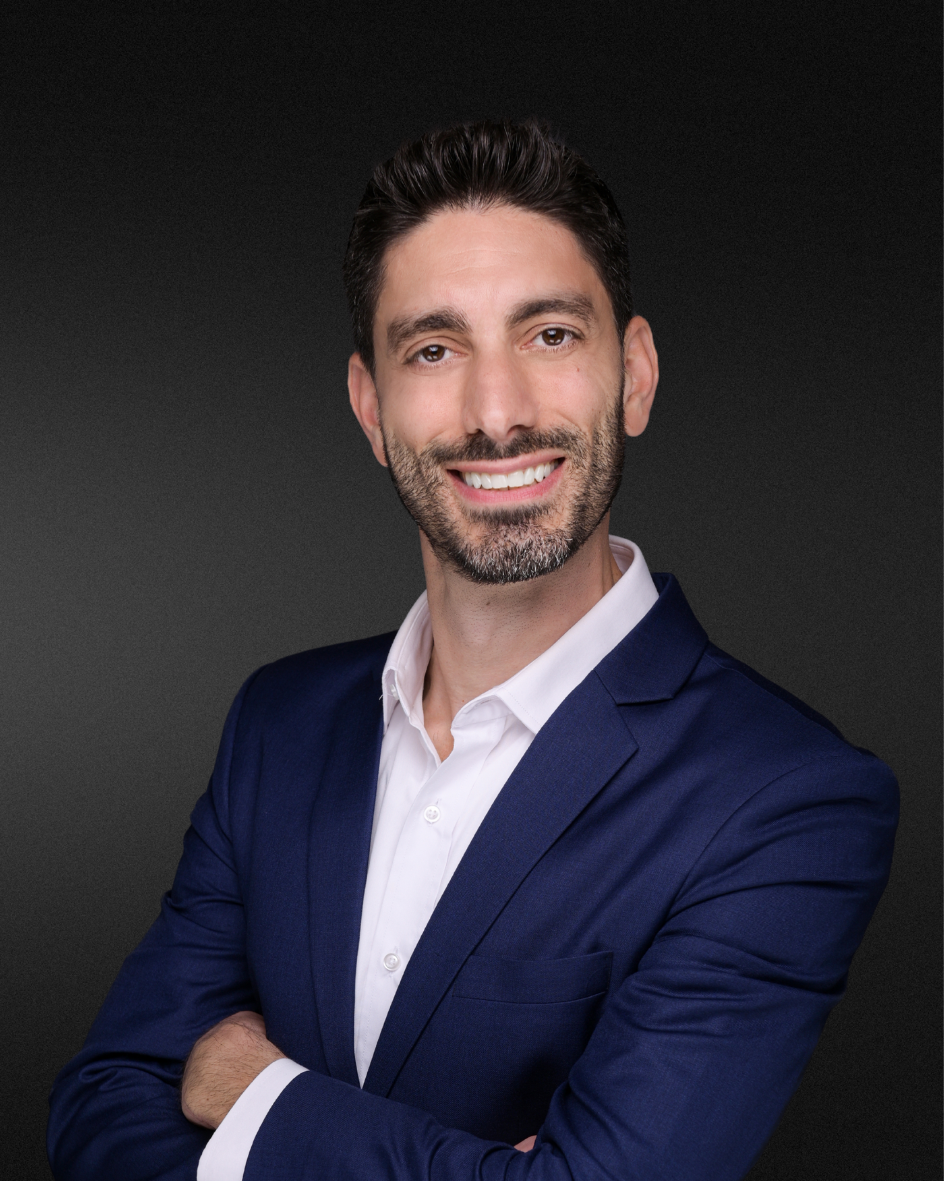
Paul Rashid, MD
Dr. Paul Rashid is an ABPN-boarded psychiatrist and the first medically trained psychiatrist to complete the Psychosocial Rehabilitation and Recovery Fellowship through the San Diego VA Healthcare System. He studied medicine at the Joan C. Edwards School of Medicine at Marshall University, completed his residency at West Virginia University where he served as Chief Resident, and went on to complete the Psychosocial Rehabilitation and Recovery Fellowship for Severe Mental Illness — where he developed his patient-centered and recovery-oriented clinical philosophy.
Dr. Rashid is the Executive Medical Director of The NeuroBehavioral Hospitals of the Palm Beaches and the author of Recovery Revolution: A Social Blueprint for Optimal Mental Health. He is passionate about recovery-oriented treatment for all mental health conditions and is committed to educating people worldwide about mental wellness, cognitive behavioral therapy, positive psychology, nutrition, spirituality, and lifelong personal growth.
Director of Precision Neuropsychiatry
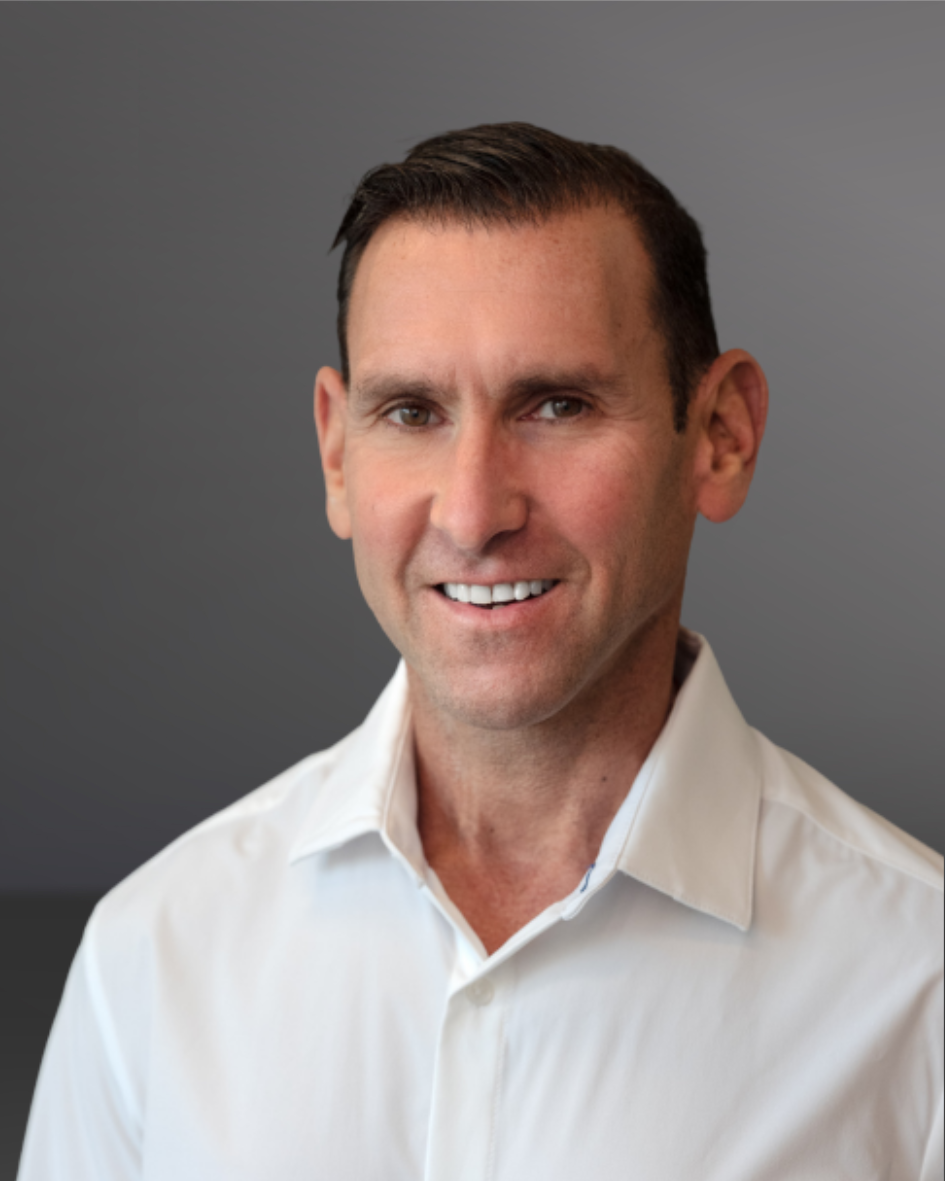
Donald Raden, MD, ABAARM
Dr. Donald Raden blends the rigor of traditional medicine with the science of functional medicine and cellular biology to deliver a transformative approach to health and healing. With a keen analytical mind, deep compassion, and a commitment to uncovering root causes, Dr. Raden is known for restoring hope to patients who have struggled with unresolved or complex medical issues. His integrative model focuses on improving biological dysfunctions that often underlie chronic disease and reduced quality of life.
Whether addressing immune system dysregulation, neurodegenerative conditions, anti-aging and longevity medicine, precision peptide therapy, or athletic performance optimization, Dr. Raden tailors care through the lens of precision medicine and advanced diagnostics — integrating cellular and mitochondrial health, chronic illness and environmental medicine, and cutting-edge regenerative protocols to deliver patient-centered care at the forefront of the future of medicine.
Neuropsychiatry Adjunct Faculty
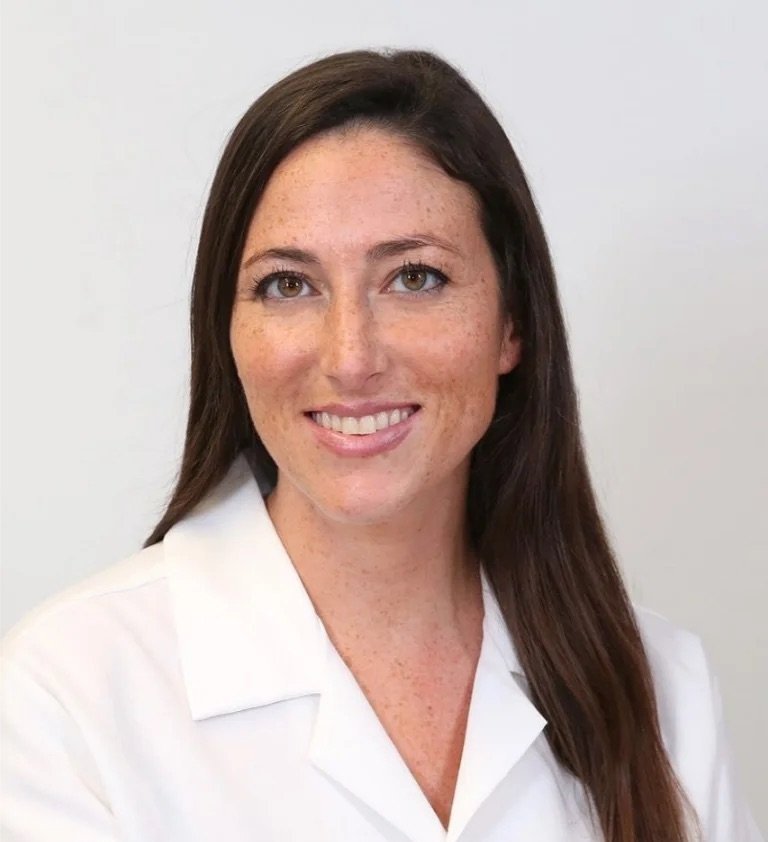
Olivia Levine, MD, PhD
Dr. Olivia Levine is a neuropsychiatrist with expertise in addiction and mood disorders. Her PhD research focused on neural circuits — particularly a thalamic-amygdalar circuit involved in alcohol use and anxiety behaviors — uncovering key sex differences in circuit-level vulnerability to addiction and anxiety. This work contributes foundational neuroscience to the emerging field of sex-differentiated precision neuropsychiatry.
During her medical training, Dr. Levine studied iron metabolism protein expression in schizophrenia patients, bridging molecular biology and clinical psychiatry. She is dedicated to understanding the molecular, circuit, and behavioral complexities of psychiatric disorders to inform targeted, biologically grounded treatments — making her a key contributor to the ABOPM Neuropsychiatry Department's commitment to precision brain health science.
Think you're the right fit for a faculty position?
Get Involved →
Shaping the Future
of Precision Medicine
As precision medicine continues to evolve, genomics will play an increasingly central role in redefining how disease is understood, predicted, and treated at the molecular level.
The Genomics Department at ABOPM remains committed to advancing this field through scientific leadership, clinical innovation, and collaborative discovery. Together with our global community of physicians and researchers, we are helping shape the future of next-generation healthcare.
Insights Shaping
Precision Medicine
Explore ABOPM perspectives on genomics, multi-omics, systems thinking, clinical innovation, and the future of physician leadership in precision medicine.
Eight Advances in Precision Medicine: What Clinicians Need to Know
Explore eight advances in precision medicine, from rapid genomic sequencing and targeted cancer therapies to gene therapy, and discover what these breakthroughs mean for clinical practice. ...more
On the Frontier
October 22, 2026•10 min read

Digital Biomarkers and Wearable Health Data
Explore how digital biomarkers and wearable technologies are enabling continuous health monitoring, early disease detection, and more personalized approaches to precision medicine. ...more
On the Frontier
October 15, 2026•8 min read
From Lab Report to Treatment Plan: Interpreting Molecular Diagnostics
Explore how clinicians interpret molecular diagnostic reports and translate genomic, transcriptomic, and proteomic findings into informed, personalized treatment decisions. ...more
Precision Medicine in Action
October 08, 2026•8 min read
Stay at the Forefront of Precision Medicine
Subscribe to receive ABOPM insights, research updates, and educational resources delivered directly to your inbox.
Advancing education, certification, and leadership to shape a genomics-driven, data-intelligent future of healthcare.
COMPANY
RESOURCES


© 2023-2025 American Board of Precision Medicine, Inc. All Rights Reserved.