The Full Picture Through
Multi-Omics Integration
6+
Omic Layers
Billions
Data Points
100%
Patient-Centered
Board
Certified Standard
Mul·ti·O·mics
In·te·gra·tion
/ ˌməltēˈōmiks ˌintəˈɡrāSH(ə)n / · noun
noun · precision scienceThe convergent analysis of data across multiple omic layers - genomics, epigenomics, proteomics, metabolomics, and microbiomics to construct a unified, systems-level portrait of human biology and disease.
Origin
From Latin multi- (many) + Greek -ome (complete set) + Latin integrare (to make whole). The integrative paradigm emerged in the early 2000s as high-throughput sequencing and computational biology matured - recognizing that no single omic layer can fully explain the complexity of human health.
The Multi-Omics Integration Department at the American Board of Precision Medicine represents the apex of the precision medicine curriculum - training clinicians to synthesize genomic, epigenomic, proteomic, metabolomic, and microbiomic data into coherent, patient-centered clinical decisions that no single omic discipline could produce alone.
From cross-layer data harmonization and AI-driven pathway modeling to multi-modal biomarker panels and network medicine frameworks, this department equips physicians with the analytical fluency to navigate the full complexity of human biology - identifying causal mechanisms, predicting disease trajectories, and personalizing interventions with unprecedented resolution.
Precision medicine does not live in any single omic layer - it emerges from the convergence of all of them. At ABOPM, multi-omics integration is not an advanced elective but the unifying framework through which every department finds its fullest clinical expression.
6+
Omic Layers
Billions
Data Points
∞
Clinical Possibilities
Where Convergent Biology Meets
Clinical Purpose
The Multi-Omics Integration Department at ABOPM exists at the intersection of systems biology and patient care - training physicians to synthesize genomic, epigenomic, proteomic, metabolomic, and microbiomic data into unified clinical insight, and to translate that insight into transformative outcomes across every specialty.
Advancing research in cross-omics data fusion, systems-level pathway analysis, and machine learning–driven biomarker discovery uncovering the molecular signatures that no single omics layer can reveal alone.
Bridging multi-omics science and bedside medicine developing board-certified frameworks for integrated molecular phenotyping, multi-layered disease stratification, and systems-informed precision therapeutics across complex and chronic disease.
Building the next generation of systems medicine clinicians through rigorous board standards, interdisciplinary training, and collaboration across bioinformatics, data science, oncology, endocrinology, and translational research.
"No single omics layer tells the full story. The Multi-Omics Integration Department at ABOPM trains physicians to read every layer at once synthesizing the genome, epigenome, proteome, metabolome, and microbiome into a complete and actionable picture of human health."
American Board of Precision Medicine · Multi-Omics Integration DepartmentTranslating Convergent Biology
Into Clinical Impact
No single omics layer tells the full story of human disease. Integrated together, the genome, epigenome, proteome, metabolome, and microbiome form a complete molecular portrait of each patient. Learning to synthesize them is not optional for the future of medicine - it is foundational.
Multi-omics integration equips clinicians to move beyond siloed data and into systems-level understanding - uncovering the cross-layer interactions that drive complex disease, identifying multi-dimensional biomarkers no single platform can detect, and delivering care that is truly comprehensive at the molecular level.
By mastering multi-omics integration, clinicians gain the power to:
Why Multi-Omics Fluency Is Non-Negotiable
The layers are converging. The clinical tools are ready. The question is, are you?
Multi-omics integration consistently outperforms single-layer approaches in diagnostic accuracy, therapeutic matching, and disease monitoring - delivering measurably better outcomes for the most complex patients.
AI-driven multi-omics platforms are entering clinical workflows across oncology, rare disease, and chronic condition management - clinicians who can interpret integrated data will lead the next era of medicine.
Board certification in multi-omics integration marks you as the physician who sees the whole picture - a rare systems-level clinician capable of leading precision medicine programs at the institutional level.
Multi-omics integration transcends every specialty - oncology, neurology, immunology, endocrinology, and beyond giving you the tools to address the most complex clinical challenges across all of medicine.
Active research areas driving multi-omics integration forward:
The multi-omics integration revolution is not a future event - it is happening now. Cross-layer data fusion, AI-driven biomarker discovery, and systems-level disease stratification are actively reshaping how complex disease is understood, classified, and treated at the molecular systems level.
The ABOPM Multi-Omics Integration Department positions clinicians at the center of this transformation equipping them with the scientific literacy, computational frameworks, and board-certified credentials to lead systems medicine in any specialty.
Meet Our Leadership
Department Directors

Mara Raden, PharmD
Dr. Raden earned her PharmD from Midwestern University Chicago College of Pharmacy and a BS in Biochemistry from the University of Florida, with prior leadership in clinical pharmacy, hospital medicine, and infectious disease management. Her path was shaped by firsthand ER and ICU experience alongside her own search for root-cause answers.
As Chief Wellness Officer and Co-Founder of Raden Wellness and Intrinsic Wellness, she develops IV therapies, personalized peptide protocols, regenerative treatments, and microbiome-focused products for executives, elite athletes, seniors, families, and patients with chronic and complex conditions.
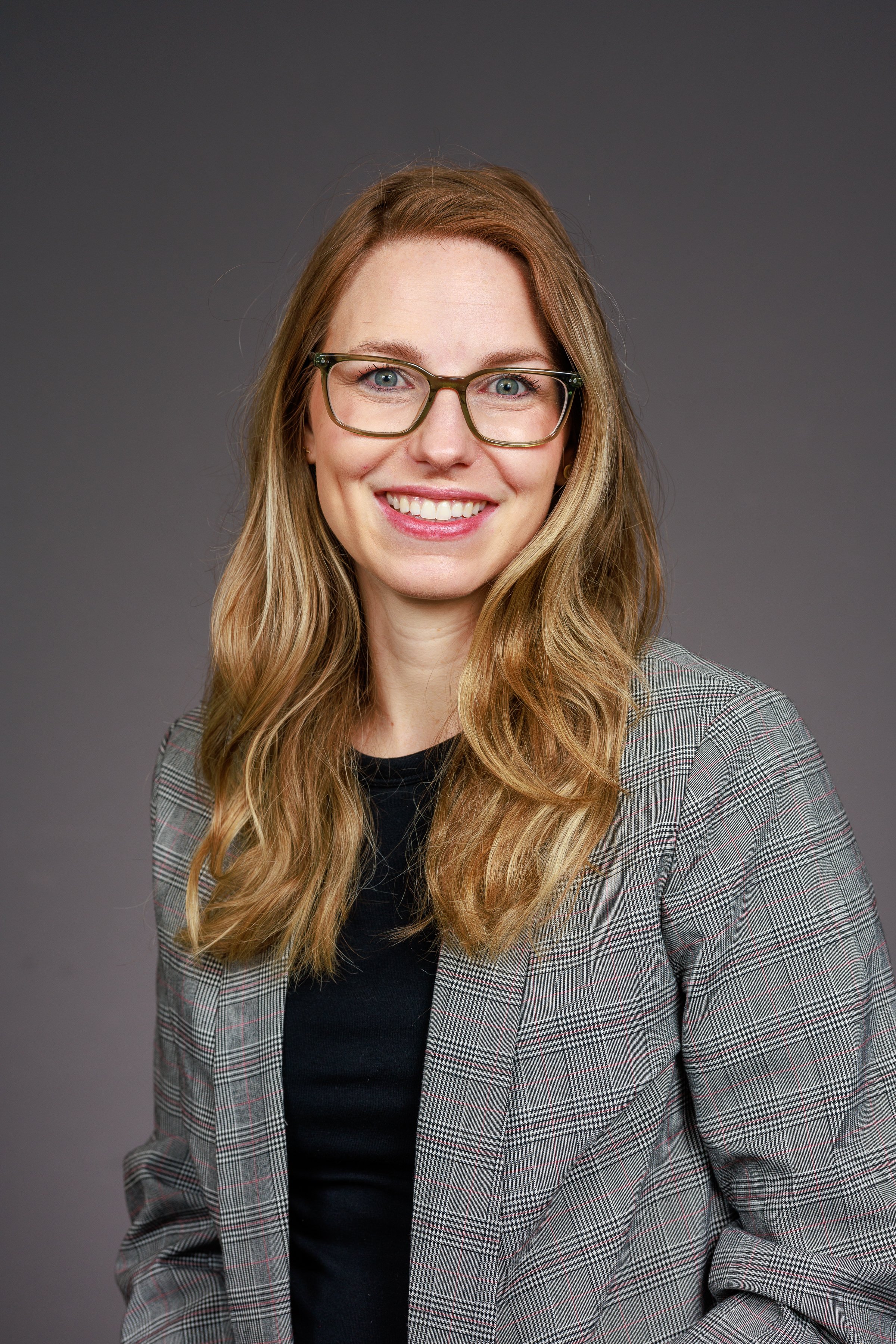
Allie Greenplate, PhD
Dr. Greenplate received her PhD from Vanderbilt University in 2018 and completed postdoctoral research at the University of Pennsylvania under Dr. John Wherry. She helped pioneer the use of mass cytometry for deep immune profiling of clinical samples and currently serves as Director of Strategic Alliance & Operations for Penn Medicine's Institute for Immunology and Immune Health.
Under her leadership, Immune Health became a central hub for patient immune assays at Penn. She built a team of more than 25 staff, trainees, and faculty across four pillars, helping enroll, process, and analyze the immune systems of more than 3,500 subjects, contributing to multiple publications and a new EMR-delivered immune test.
Director of Transcriptomics
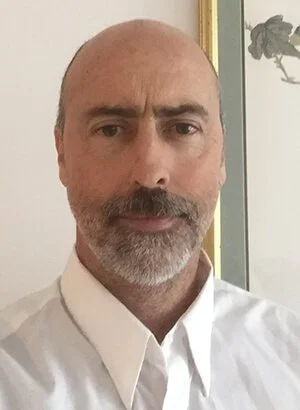
Jimmy Ryan, PhD
Dr. James Ryan is a graduate of the Medical University of South Carolina and holds bachelor's degrees in biology, chemistry, and physics. He is the co-founder of Progene DX, a medical diagnostics company that leverages genomic technologies to identify pathophysiology in personalized medicine settings — bridging cutting-edge transcriptomic science with real-world clinical application.
His landmark research into Chronic Inflammatory Response Syndrome (CIRS) led to the development and commercialization of a gene expression assay that tracks inflammatory and immunometabolic shifts in patients with chronic fatiguing illnesses — one of the first genomic diagnostic tools to operationalize transcriptomics for biotoxin-driven chronic inflammation at the clinical level.
Faculty Member · Research & Academic Affairs
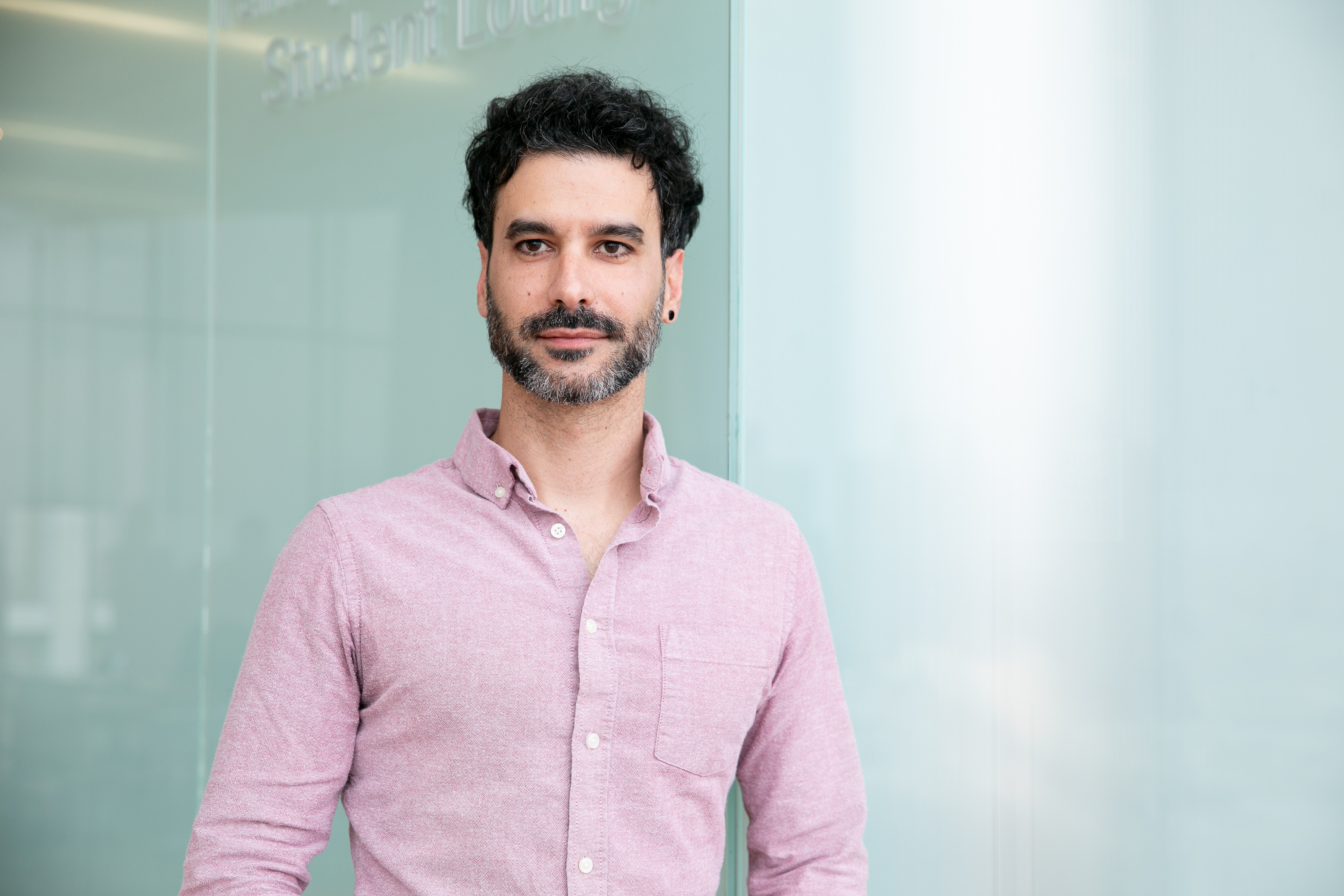
Paolo Reho, PhD
Dr. Reho earned his PhD in Genetics, Molecular and Cellular Biology from the University of Pavia and completed a Specialization in Medical Genetics at the University of Florence. He then joined the National Institute of Neurological Disorders and Stroke (NINDS), NIH as a postdoctoral fellow, investigating the genetic and epigenetic mechanisms underlying neurodegenerative diseases including Lewy body dementia and multiple system atrophy.
Now an Associate Research Scientist at Columbia University's Mailman School of Public Health, Dr. Reho applies integrative multi-omics — genomics, epigenomics, transcriptomics, metabolomics, and exposomics — to study molecular drivers of neurodegeneration. His recent work identified transcriptional modulations in neuron-derived extracellular vesicles associated with Alzheimer's disease, and as part of the IndiPHARM Project (PI: Dr. Gary W. Miller), he explores how genomics and exposomics shape individual drug responses. He is a recipient of the Columbia University ADRC Research Education Core Award and an active member of the International Consortium for Dementia with Lewy Bodies.
Faculty Members
Our faculty roster is growing — announcements coming soon.
Faculty position open
Faculty position open
Faculty position open
Faculty position open
Think you're the right fit for a faculty position?
Get Involved →
Shaping the Future
of Precision Medicine
As precision medicine continues to evolve, genomics will play an increasingly central role in redefining how disease is understood, predicted, and treated at the molecular level.
The Genomics Department at ABOPM remains committed to advancing this field through scientific leadership, clinical innovation, and collaborative discovery. Together with our global community of physicians and researchers, we are helping shape the future of next-generation healthcare.
Insights Shaping
Precision Medicine
Explore ABOPM perspectives on genomics, multi-omics, systems thinking, clinical innovation, and the future of physician leadership in precision medicine.
Eight Advances in Precision Medicine: What Clinicians Need to Know
Explore eight advances in precision medicine, from rapid genomic sequencing and targeted cancer therapies to gene therapy, and discover what these breakthroughs mean for clinical practice. ...more
On the Frontier
October 22, 2026•10 min read
Digital Biomarkers and Wearable Health Data
Explore how digital biomarkers and wearable technologies are enabling continuous health monitoring, early disease detection, and more personalized approaches to precision medicine. ...more
On the Frontier
October 15, 2026•8 min read
From Lab Report to Treatment Plan: Interpreting Molecular Diagnostics
Explore how clinicians interpret molecular diagnostic reports and translate genomic, transcriptomic, and proteomic findings into informed, personalized treatment decisions. ...more
Precision Medicine in Action
October 08, 2026•8 min read
Stay at the Forefront of Precision Medicine
Subscribe to receive ABOPM insights, research updates, and educational resources delivered directly to your inbox.
Advancing education, certification, and leadership to shape a genomics-driven, data-intelligent future of healthcare.
COMPANY
RESOURCES


© 2023-2025 American Board of Precision Medicine, Inc. All Rights Reserved.