Extending Human Potential Through
Longevity Medicine
Healthspan
Maximized
Precision
Aging Protocols
100%
Personalized Care
Evidence
Based Outcomes
Lon·gev·i·ty
Med·i·
cine
/ länˈjevədē ˈmedəsən / · noun
noun · precision healthspan scienceThe integration of genomic, epigenetic, and metabolic profiling with advanced aging biomarker diagnostics - moving beyond chronological age to the biological and molecular drivers of cellular aging, healthspan decline, and age-related disease in each individual patient.
Origin
From Latin longaevitas (long life) + medicina (the art of healing). Longevity medicine emerged as epigenetic clocks, single-cell transcriptomics of senescent tissue, and whole-genome sequencing revealed that individuals of the same chronological age harbor profoundly distinct biological ages - requiring individualized diagnostic and therapeutic strategies beyond conventional disease-management protocols to address the upstream molecular drivers of aging itself.
The Longevity Medicine Department at the American Board of Precision Medicine trains clinicians to look beyond standard annual labs and disease screenings - integrating epigenetic age testing, telomere length analysis, senescent cell burden assessment, and NAD+ metabolomics into a molecularly complete picture of each patient's biological age trajectory and healthspan optimization potential.
From mitochondrial dysfunction and mTOR-autophagy pathway dysregulation to inflammaging, epigenetic drift, and pharmacogenomic optimization of senolytic and geroprotective protocols, this department equips physicians with the molecular and metabolic fluency to identify the upstream biological drivers of accelerated aging - and to design individualized interventions that extend healthspan by addressing root causes rather than managing late-stage disease.
Aging is not simply a function of time - it is the downstream expression of a patient's entire genomic, epigenetic, and metabolic architecture. At ABOPM, Longevity Medicine provides the precision framework to decode that architecture for every patient, transforming fragmented biomarker values into a coherent, actionable map of individual biological age and longevity potential.
N=1
Biological Age Profiling
Root
Cause Aging Care
Full
Healthspan Optimization
Where Biological Precision Transforms
Healthspan and Human Longevity
The Longevity Medicine Department at ABOPM is redefining aging care — training physicians to move beyond chronological age and disease management protocols, integrating epigenetic clock testing, telomere biology, senescent cell burden assessment, NAD+ metabolomics, and mitochondrial function profiling into a molecularly complete picture of each patient's unique biological age trajectory and healthspan potential.
Advancing clinical application of epigenetic clock assessment, telomere length analysis, polygenic longevity risk scoring, senescent cell burden quantification, and pharmacogenomic optimization of geroprotective protocols — enabling physicians to build a molecularly precise biological age portrait for every patient and guide individualized healthspan interventions from first consultation.
Bridging molecular geroscience and clinical outcomes — developing board-certified frameworks for mitochondrial function assessment, mTOR-autophagy pathway evaluation, NAD+ metabolomics, inflammaging biomarker profiling, and senolytic protocol optimization to identify and address the upstream biological drivers of accelerated aging and age-related disease before they manifest clinically.
Building the next generation of precision longevity physicians through rigorous board standards, molecular aging literacy training, and interdisciplinary collaboration across clinical genomics, geroscience, metabolic medicine, epigenetics, and translational healthspan research.
"Aging is not simply a function of time — it is the downstream expression of a patient's entire genomic, epigenetic, and metabolic architecture. The Longevity Medicine Department at ABOPM trains physicians to decode that architecture for every patient, transforming fragmented biomarker values into a coherent, actionable map of individual biological age and longevity potential."
American Board of Precision Medicine · Longevity Medicine DepartmentDecoding Each Patient's Biological Age
to Deliver Precision Healthspan and Longevity Care
No two patients age at the same molecular rate. Behind every accelerated aging trajectory, every early-onset age-related disease, and every failed vitality intervention lies a specific biological substrate — epigenetic drift patterns, mitochondrial dysfunction signatures, senescent cell burden profiles, and NAD+ metabolic depletion curves that chronological age metrics and standard annual labs were never designed to resolve. Identifying the molecular architecture of each patient's biological aging process — and matching intervention to that architecture — is not a specialized aspiration; it is the precision obligation of modern longevity medicine.
Precision longevity medicine equips clinicians to move beyond standard disease screening and symptom management and into molecularly stratified healthspan care — applying epigenetic clock assessment, telomere biology profiling, senescent cell burden quantification, and mitochondrial function mapping to identify the upstream biological drivers of accelerated aging and design individualized intervention strategies from the first clinical encounter.
By mastering precision longevity medicine, clinicians gain the power to:
Why Longevity Medicine Certification Is Non-Negotiable
Every patient has a biological age. The question is, are you equipped to decode it?
Molecularly stratified longevity care consistently outperforms empirical supplementation and lifestyle protocols — delivering measurably better biological age reversal, fewer accelerated aging trajectories, and reduced disease burden by identifying and addressing the specific molecular drivers of each patient's aging process from the first clinical decision rather than discovering them through years of costly trial and error.
Epigenetic reprogramming, senolytics, AI-guided biological age reversal, partial cellular rejuvenation, and precision NAD+ restoration are transforming longevity medicine — physicians board-certified in precision longevity medicine will define the next generation of molecularly individualized healthspan care and lead the clinical translation of aging science into patient outcomes.
Board certification in precision longevity medicine marks you as the biological age and molecular healthspan authority — a physician equipped to lead complex aging reversal programs, precision geroprotective optimization clinics, and institutional longevity medicine initiatives grounded in molecular geroscience rather than empirical wellness protocol application.
Precision longevity medicine principles span cardiovascular aging, neurocognitive decline, metabolic disease, musculoskeletal deterioration, immune senescence, and hormonal aging — giving you a molecularly grounded framework to address biological aging and healthspan optimization across every organ system and every clinical presentation you encounter throughout the lifespan.
Active research areas driving longevity medicine forward:
The precision longevity medicine revolution is not a future event — it is rewriting how aging is assessed and addressed today. Epigenetic clock validation, senolytic protocol development, mitochondrial NAD+ restoration, inflammaging biomarker profiling, and pharmacogenomic geroprotective optimization are actively transforming how every aging trajectory and age-related disease risk is diagnosed, stratified, and therapeutically addressed at the molecular and individual patient level.
The ABOPM Longevity Medicine Department positions clinicians at the center of this transformation — equipping them with the molecular aging literacy, epigenetic and senescence biology frameworks, and board-certified credentials to lead precision longevity medicine programs across every biological age presentation and healthspan optimization domain.
Meet Our Leadership
Director of Longevity Medicine
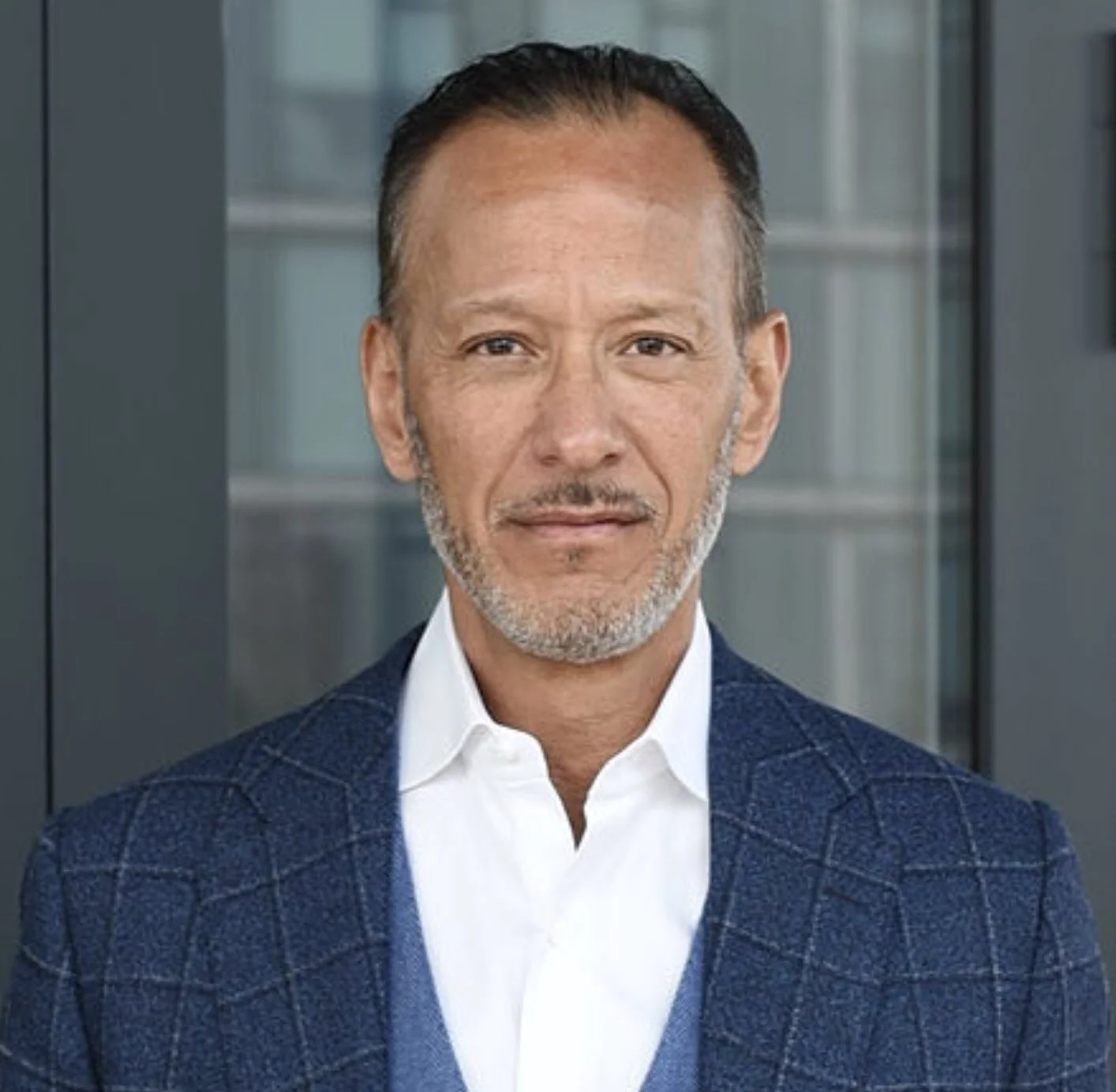
Joseph Raffaele, MD
Dr. Joseph Raffaele has been practicing longevity medicine for 25 years and has published clinical studies in telomere biology, epigenetics, hormone therapy, and glycobiology. He is the CEO and CMO of PhysioAge Health Analytics — a software company he co-founded that enables longevity practices around the world to practice precision, n-of-1 longevity medicine more effectively than traditional EHRs, delivering individualized biological age analytics at the point of care.
Dr. Raffaele routinely writes about longevity medicine on Raffaelemedical.com, PhysioAge.com, and @RaffaeleMD — sharing clinical insights, research updates, and precision aging frameworks with physicians and patients navigating the frontier of healthspan science. His work bridges rigorous clinical research and practical longevity medicine, making him one of the most experienced precision aging physicians practicing today.
Faculty Members
Our faculty roster is growing — announcements coming soon.
Faculty position open
Faculty position open
Faculty position open
Faculty position open
Think you're the right fit for a faculty position?
Get Involved →
Shaping the Future
of Precision Medicine
As precision medicine continues to evolve, genomics will play an increasingly central role in redefining how disease is understood, predicted, and treated at the molecular level.
The Genomics Department at ABOPM remains committed to advancing this field through scientific leadership, clinical innovation, and collaborative discovery. Together with our global community of physicians and researchers, we are helping shape the future of next-generation healthcare.
Insights Shaping
Precision Medicine
Explore ABOPM perspectives on genomics, multi-omics, systems thinking, clinical innovation, and the future of physician leadership in precision medicine.
Eight Advances in Precision Medicine: What Clinicians Need to Know
Explore eight advances in precision medicine, from rapid genomic sequencing and targeted cancer therapies to gene therapy, and discover what these breakthroughs mean for clinical practice. ...more
On the Frontier
October 22, 2026•10 min read
Digital Biomarkers and Wearable Health Data
Explore how digital biomarkers and wearable technologies are enabling continuous health monitoring, early disease detection, and more personalized approaches to precision medicine. ...more
On the Frontier
October 15, 2026•8 min read
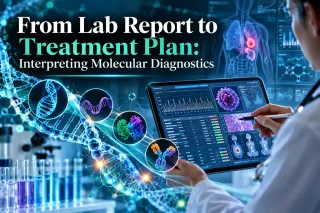
From Lab Report to Treatment Plan: Interpreting Molecular Diagnostics
Explore how clinicians interpret molecular diagnostic reports and translate genomic, transcriptomic, and proteomic findings into informed, personalized treatment decisions. ...more
Precision Medicine in Action
October 08, 2026•8 min read
Stay at the Forefront of Precision Medicine
Subscribe to receive ABOPM insights, research updates, and educational resources delivered directly to your inbox.
Advancing education, certification, and leadership to shape a genomics-driven, data-intelligent future of healthcare.
COMPANY
RESOURCES


© 2023-2025 American Board of Precision Medicine, Inc. All Rights Reserved.